
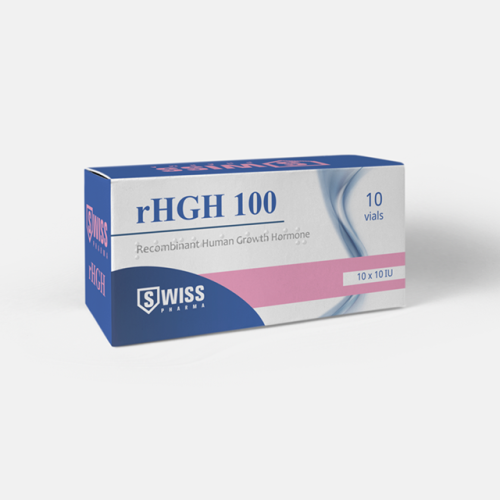
Trade Names: hGH, Human Growth Hormone
Chemical Names: Somatropin
Routes: Intramuscular or Subcutaneous
Human Growth Hormone, commonly known as Somatropin, is a critical polypeptide hormone produced by the anterior pituitary gland. It is composed of a complex 191-amino acid chain and is one of the five major pituitary hormones that regulate human physiology. During our developmental years, HGH is the primary driver of rapid growth and a high metabolic rate, determining how efficiently the body converts protein into muscle tissue, red blood cells, and organ mass.
Biological Mechanism and IGF-1
The body naturally releases HGH during deep sleep cycles. Once secreted, it
travels to the liver where it is converted into a secondary compound known as
Insulin-like Growth Factor 1 (IGF-1). This derivative is actually responsible
for mediating the majority of the growth and recovery effects associated with
the hormone. While it is highly effective for fat loss and physical
strengthening, its pure muscle-building power is generally considered less aggressive
than that of traditional anabolic steroids.
The Evolution of Synthetic HGH
The medical application of HGH dates back to 1958, though early treatments
relied on extracting the hormone from human cadavers. This practice was banned
by the FDA in 1985 due to safety risks involving Creutzfeldt-Jakob’s disease.
This led to the creation of Somatrem, the first synthetic version, which lacked
the exact amino acid sequence of natural HGH and often caused the body to
produce counteractive antibodies. By 1987, scientists successfully synthesized
a perfect 191-amino acid clone, resulting in the modern Somatropin used in
medical products today.
Dosage and Administration
Somatropin is administered via subcutaneous or intramuscular injection. Standard
dosing protocols typically fall between 0.03 IU and 0.06 IU per kilogram of
body weight every 24 hours. For maximum effectiveness and stability, the total
daily amount is usually divided into two separate injections.
Hormonal Interactions:
Thyroid and Estrogen there is
frequent discussion regarding whether HGH suppresses the thyroid gland.
Clinical evidence suggests this is primarily a concern for growth-retarded
children, with fewer than 50% requiring supplemental thyroxine. For adults,
thyroid medication is rarely necessary unless confirmed by a blood assay after
a three-month therapy cycle. Furthermore, users must be rigorous about estrogen
control, often requiring non-aromatizing compounds or the use of ancillaries
like Arimidex or Letrozole to maintain hormonal balance.
Critical Handling and Storage
Because the Somatropin molecule is extremely fragile, it requires strict
handling to remain biologically active. It must be stored in a controlled
environment between 2°C and 8°C. When preparing the solution, the vial should
never be shaken, as physical agitation can easily damage the delicate molecular
structure. Once reconstituted, the solution is best used within 24 hours, and
should not be kept longer than 48 hours.
rHGH 100iu SWISSPHARMA
- Brand: SWISS PHARMA
- Product Code: 3222
- Availability: 999
-
$460.00
Available Options
Related Products
Primobolan 100
Primobolan 100, Max Pro Effective substance: methenolone enanthate, Content: 100mg/ml, Vial wi..
$91.00
Hygetropin 100iu, Hygene Growth Hormones
Hygetropin is a brand of recombinant human growth hormone (HGH) designed for therapeutic and perfor..
$349.00
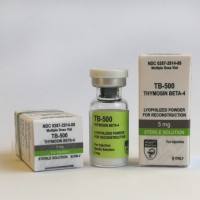
TB - 500 HILMA Biocare
Buy TB-500 & Tbol Tablets Hilma BioCare Peptides for Sale Europe is a synthetic peptide der..
$68.19
Parabolan 100mg NOVUS LABS
Parabolan 100mg NOVUS LABSProduct Specifications Chemical Name: Trenbolone Hexahydrobenzylc..
$104.79
Tags: rHGH 100iu SWISSPHARMA
Frequency Asked Questions (FAQs)
• Genuine SWISSPHARMA products
• Competitive pricing
• Fast Europe & USA shipping
• Secure payment methods
• Reliable customer support and discreet delivery
• Shipping across most European countries
• USA delivery available
• Secure online ordering
• Discreet packaging
• Order tracking on eligible shipments
• Verify product authenticity
• Choose a reputable online store
• Review shipping and payment options
• Check customer support availability
• Ensure discreet packaging is offered
• Secure pharmaceutical packaging
• Clearly labeled vials
• Tamper-evident sealing
• Designed for safe handling
• Batch identification for quality assurance
• Recombinant Human Growth Hormone (Somatropin)
• Manufactured by SWISSPHARMA
• Produced under strict quality standards
• Consistent formulation and purity
• Trusted by customers worldwide