
T3 (liothyronine) + T4 (levothyroxine)

T3 + T4 GENESIS
Liothyronine Sodium is the synthetic L-isomer of Triiodothyronine (T3), a potent active thyroid horm..
$50.85
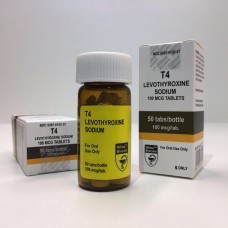
T4 HILMA Biocare
Levothyroxine is a synthetic (man-made) version of thyroxine (T4), a hormone naturally produced by t..
$40.45
Buy T3 (liothyronine) + T4 (levothyroxine) Online in Germany and Europe
Understanding T3 and T4 Thyroid Hormones
Liothyronine (T3) and levothyroxine (T4) are thyroid hormones involved in regulating metabolism, energy production, body temperature, and many other physiological processes. Levothyroxine is a synthetic form of thyroxine (T4), while liothyronine is a synthetic form of the active thyroid hormone triiodothyronine (T3).
These medicines are primarily associated with the management of certain thyroid hormone deficiencies and should be used under appropriate medical supervision.
What Is Liothyronine?
Liothyronine is a synthetic version of the naturally occurring T3 hormone. T3 has a direct physiological effect on tissues throughout the body and plays an important role in controlling metabolic activity.
Because T3 acts relatively quickly and has a shorter duration in the body than T4, changes in thyroid hormone levels can produce noticeable effects. Excessive thyroid hormone exposure can result in symptoms associated with hyperthyroidism.
What Is Levothyroxine?
Levothyroxine is a synthetic form of T4. It is commonly prescribed as thyroid hormone replacement when the body does not produce enough thyroxine.
T4 is converted within the body into T3 and other active metabolites. Because of its longer duration of action, levothyroxine is commonly used as a long-term thyroid hormone replacement medicine.
T3 and T4 Combination Therapy
T3 and T4 may sometimes be discussed together because both hormones contribute to normal thyroid function. However, combination treatment is not automatically appropriate for everyone with a thyroid disorder.
The choice between T4 treatment, T3 treatment, or a combination depends on the individual's medical condition, laboratory results, symptoms, treatment history, and clinical assessment. Thyroid hormone therapy should therefore be individually supervised by a qualified healthcare professional.
T3/T4 and Weight Loss
Thyroid hormones naturally influence metabolic rate, which is why T3 and T4 Hilma Biocare are sometimes promoted online as fat-loss substances.
Using thyroid hormones solely to accelerate weight loss, particularly in people without thyroid hormone deficiency, can create excessive thyroid activity and potentially cause serious complications. Increased metabolism does not make unsupervised thyroid hormone use a safe weight-management strategy.
People seeking treatment for overweight or obesity should discuss medically appropriate options with a healthcare professional rather than using thyroid medication without an indication.
Possible Side Effects of Excess Thyroid Hormone
Too much thyroid hormone may produce symptoms associated with excessive thyroid activity, including:
- Rapid or irregular heartbeat
- Trembling or tremor
- Nervousness
- Anxiety
- Excessive sweating
- Heat intolerance
- Headache
- Restlessness
- Difficulty sleeping
- Muscle weakness
- Changes in body weight
- Diarrhea
- Nausea
The appearance or severity of symptoms can depend on the individual's thyroid status and the amount of hormone exposure.
Serious Warning Signs
Certain symptoms require prompt medical attention, particularly chest pain, pronounced or irregular heartbeat, severe shortness of breath, fainting, or significant neurological symptoms.
Long-term inappropriate use of thyroid hormones can also interfere with normal thyroid regulation and may place additional stress on the cardiovascular and skeletal systems.
Why Medical Monitoring Matters
Thyroid treatment is generally monitored using clinical symptoms and laboratory tests such as thyroid-stimulating hormone (TSH) and thyroid hormone measurements. Regular monitoring helps healthcare professionals determine whether treatment remains appropriate.
Self-adjusting thyroid medication based on weight-loss goals, bodybuilding advice, or information from online forums can result in hormone levels becoming too high or too low.
T3 and T4 in Germany and Europe
The availability, prescription requirements, approved indications, and formulations of liothyronine and levothyroxine can differ between countries. Patients in Germany and elsewhere in Europe should follow local regulations and obtain thyroid medicines through legitimate healthcare channels.
Online products should be approached carefully because an internet listing does not guarantee appropriate manufacturing, storage, authenticity, or regulatory approval.
What are T3 and T4?
T3 and T4 are thyroid hormones that help regulate metabolism, energy use, temperature, and other important body functions.
Is T3 the same as T4?
No. T3 is liothyronine, while T4 is thyroxine or levothyroxine. They are related thyroid hormones but have different physiological characteristics.
Why is levothyroxine prescribed?
Levothyroxine is commonly used as thyroid hormone replacement for people who have insufficient thyroid hormone production.
Can T3 or T4 be used as a fat burner?
Thyroid hormones should not be used as general-purpose fat-burning products. Using them without a medical indication can cause excessive thyroid activity and potentially serious adverse effects.
Does everyone with a thyroid disorder need both T3 and T4?
No. Treatment depends on the individual's diagnosis and clinical circumstances. A healthcare professional determines which therapy is appropriate.
Responsible Use of Thyroid Medication
T3 and T4 Genesis are important medicines with specific medical applications. Their effects on metabolism do not make them suitable substitutes for evidence-based weight-management treatment.
Anyone considering thyroid hormone treatment should first receive appropriate medical evaluation and follow professional guidance regarding treatment, monitoring, and duration of therapy.