
Key Benefits & Physiological Effects
Anabolic Power: Enhances protein synthesis, leading to the development of lean muscle mass, red blood cells, and organ tissue.
Metabolic Acceleration: Drives high metabolism and fat oxidation, particularly effective for body composition goals.
Recovery & Repair: Acts as a cornerstone for systemic recovery, repairing damaged cells and strengthening connective tissues.
Synergistic Pathway: Works through the Liver-IGF-1 axis to ensure growth factors are distributed effectively throughout the body.
Advanced Administration & Timing
To maximize the effectiveness of Somatropin and maintain receptor sensitivity, a strategic pulse protocol is often preferred over steady daily dosing.
The Pulse Method: Administering HGH every other day (EOD) at a higher dose (e.g., 6 IU) rather than a daily lower dose (e.g., 3 IU) can be more effective for certain performance goals.
Optimal Timing: Schedule doses in the morning and before lunch. Avoid dosing immediately before sleep or post-workout to prevent interference with natural hormone spikes.
Nutritional Synergy: Consume 50–60g of high-quality hydrolyzed whey approximately 30 minutes after dosing.
Protocol Restrictions: Avoid pairing HGH with Arginine, OKG, or GABA. Do not mix insulin or peptides like IGF-LR3 and MGF in close proximity to your HGH dose.
Safety, Storage & Stability
Fragile Molecule: Somatropin is highly sensitive. Do not shake the vial after reconstitution; gently swirl to dissolve.
Cold Chain Requirement: Must be stored in a refrigerator at 2°C – 8°C.
Potency Window: Once reconstituted, the solution should ideally be used within 24 hours (maximum 48 hours) to ensure full biological activity.
Estrogen Management: Maintain strict estrogen control using ancillaries like Arimidex or Letrozole, especially when stacking with other compounds.
The Evolution of Somatropin
1958–1985: Early HGH was derived from human cadaver pituitary glands. This practice was banned by the FDA in 1985 due to links to Creutzfeldt-Jakob Disease (CJD).
1985: The first synthetic version, Somatrem, was introduced. While effective, it had a slightly different amino acid chain which often triggered antibody production.
1987–Present: The development of recombinant DNA technology allowed for the creation of Somatropin—an exact 191-amino acid match to the HGH produced naturally by the human body.
Initial administration of Human Growth Hormone (HGH) was carried out in 1958. This was way before recombinant DNA technology facilitated the synthetic production of the hormone. Such formulations were accomplished by isolating HGH from the pituitary glands of deceased individuals. In 1985, the FDA prohibited the use of cadaver GH as there were cases where it was connected to the emergence of Creutzfeldt-Jakob's disease (CJD). At the same time, the very first synthetic HGH was authorized. It was named somatrem but an exact copy of the somatropin amino acid chain was not however it retained the same biological activities as the natural hormone. The minor difference resulted in a greater frequency of anti-body production making somatrem less potent in patients. Nevertheless in 1987, the initial synthetic somatropin with the exact amino acid sequence as that of natural growth hormone was obtained.
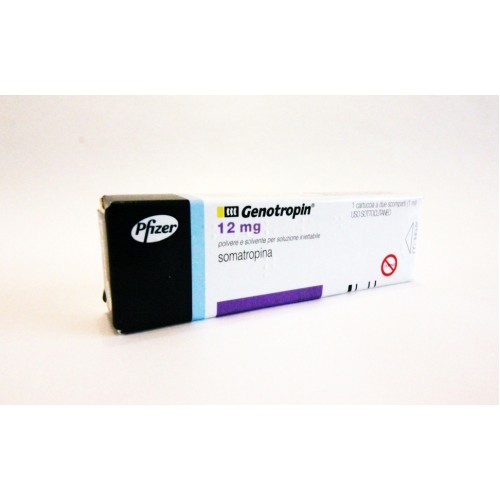
Genotropin®, Pfizer
- Brand: GROWTH HORMONE PRODUCTS
- Product Code: Genotropin®, Pfizer
- Availability: 999
-
$184.00
Available Options
Related Products
Humano Trope
Humatrope is a well-known brand name for Somatropin, which is a synthetic form of Human Growth Horm..
$99.00
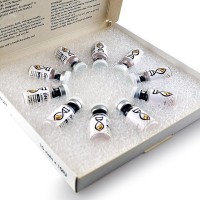
rHGH 10x10iu, DNA Laboratory
Effective substance: growth hormone, Content: 10iu vial You will receive: 10 vials TOTAL 100iu..
$435.00
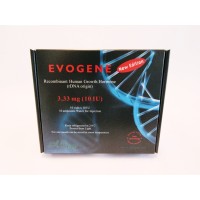
Evogene Alley Pharmaceuticals
Evogene Alley PharmaceuticalsHuman Growth Hormone (HGH), also known as somatropin, is a hormone sec..
$289.00
Tags: Genotropin®, Pfizer
Frequency Asked Questions (FAQs)
• Genuine Pfizer products
• Competitive pricing
• Europe & USA shipping
• Discreet and secure packaging
• Professional customer support
• Refrigerate before use as directed
• Protect from excessive heat and light
• Keep cartridges in their original packaging
• Follow storage instructions after first use
• Secure online ordering
• Fast delivery across Europe
• USA shipping available
• Discreet packaging for privacy
• Multiple secure payment options
• Manufactured by Pfizer
• Pharmaceutical-grade quality
• Easy-to-use cartridge and pen system
• Trusted by healthcare professionals worldwide
• Available through buylegitgear.is for Europe and USA customers
• Contains high-quality Somatropin
• Manufactured by Pfizer
• Available in multiple cartridge strengths
• Designed for use with compatible Genotropin Pen devices
• Produced under strict pharmaceutical quality standards